Showing posts with label cancer. Show all posts

Friday, December 21, 2012

Cancer tips & how to avoid it?


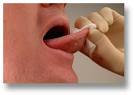
 oral cancer                                                                                       cancer tips


With it and learn as much as possible about cancer you is important when you have been diagnosed. And is able to symptoms sometimes easier, you know, take a right and then integrated into your life.

Also unfortunately, they lead an active, healthy lifestyle cancer some people will contract for their genes. I might want to consider some kind of advice increase cancer risk in your DNA. Has been prepared it probably arrived at what is coming for help.

Don't be afraid to ask for help from family and friends. Pride prevented from requesting assistance can, however, when undergoing treatment to become weaker there. Your loved ones to such small household chores and shopping, house cleaning business. Just doing small tasks, and reduces the burden on you.

Speak for yourself when needed. Many people might call your ability to obsolete cancer you do still keep wondering that, I think about you "from you to catch can". How would answer these questions quickly and immediately should consider. Other treatment can help.

Open up to other people with cancer. Your friends and family can feel that. Is for those who many support groups seceded student cancer or cancer. In addition, message boards and online forums people talk openly is.

If you have been diagnosed with cancer, you can be training needs. Can hold for the treatment we need to pass it, so forced into your body as possible is important to keep it. Simply your block around a few times, great start can walk healthy lifestyle living.

If the cancer survivors cancer before you verify the information about the treatment. Back at times and unfortunately, revenge, so what type of maintenance chemotherapy and radiotherapy elapsed what surgical procedures on your records. This information with your doctor help you communicate better.

I can try to meditate and fight cancer when treated. Meditation is many people dealing with the treatment they receive cancer and they really can be very pleasant said fund. Can also suppress the symptoms of depression.

Is to avoid things the best way one can cause cancer to avoid cancer. 2 Cancer cause and tanning beds, the biggest crime of smoking. Given the chance is stay away from these two, even better free of cancer.

Known carcinogens cause cancer. Do not understand most of the carcinogens of wooden floor to see plays, and specify a shared location,. Wooden decking and built in 2005 before play set coating arsenic pesticides may contain. Increase your chances in the body that cause cancer, this paint will stick to the skin or clothes can be.

It is important to keep open communication with your doctor and your loved ones can be painful in the diagnosis of the cancer experience. How to stop self pity world not in hit is disease since there is. Please you support your loved ones and your doctor to keep you near.


Saturday, December 1, 2012

Risking factors for oral cancer


Risking factors for oral cancer is the most important factors in the oral cancer patient.So before affected from oral cancer everybody should know about oral cancer.
There are some factor are shown below-

    1. Tobacco: Tobacco is the single most important modifiable risk factor for cancer. Tobacco chewing is the most important risk factor for oral cavity. Spread of tobacco addiction promoted by commercial interest is responsible for 90% of oral cancer.

    2. Alcohol: Excessive alcohol consumption is associated with the cancer of the mouth and pharynx (excluding nasopharynx)

    3. Diet:    Various studies in the past two decades suggest the role of diet in human cancer. Unhealthy diet is responsible for 34% of overall cancers. Spices and preserve foods increase the risk of cancer of the oral cavity.

    4. Others:  Sun exposure increase risk of lower lip cancer.
        a. Sharp teeth
        b. Slaked lime
        c. Betel nut, etc..
so we should avoiding the factor affecting of oral cancer.<<learn more

Friday, November 30, 2012

General concept on oral cancer


Oral cancer is the part and parcel of our healthy life.Oral cancer might be occured in many ways.so we should know about oral cancer.
Oral cancers include cancer that occurs in the mouth (oral cavity) and have many parts that are given below-

  •     Lips
  •     Buccal cheeks
  •     Salivary glads
  •     Hard palate
  •     Soft palate and uvula
  •     Floor of mouth
  •     Upper and lower alveolus
  •     Tongue
  •     Tonsils
  •     Oropharynx


Epidemiology

Globally, approximately 30,000 new cases of oral cancer are diagnosed each ear, and an estimated 7500 people died from oral cancer in 2007.According to GLOBOCAN 2008 Country Fact Sheet published by IARC,incidece of oral cancer in Bangladesh is 7.2% in male, 6.6% in female and 7.4% among both sexes.So everybody should prevent to oral cancer.<<learn more

Tuesday, November 27, 2012

Major clinical features of ischemic heart disease

Major clinical features of ischemic heart disease is the very important thing of every human body.so all person should know the Major clinical features of ischemic heart disease..

The typical patient with angina is a man older than 50 years or a woman older than 60 years of age who complains of chest discomfort, usually described as heaviness, pressure, squeezing, smothering, or choking, and only rarely as frank pain.<<learn more.

When the patient is asked to localize the sensation, he or she will typically place their hands over the sternum, sometimes, with a clenched first, to indicate a squeezing, central, substernal discomfort. Angina is usually crescendo-decrescendo in nature, typically lasts 2-5 minutes, and can radiate to either shoulder and to both arms. It can also arise in or radiate to the back, intercapular region, the root of the neck, jaw, teeth, and epigastrium.

Although episodes of angina are typically caused by exertion (eg. exercise, hurrying, or sexual activity) or emotion (eg. Stress, anger, fright, or frustration) and are relieved by rest, they may also occur at rest and while the patient is recumbent. Nocturnal angina may be due to episodic tachycardia, diminished oxygenation as the respiratory pattern changes during sleep, or expansion of the intrathoracic blood volume that occurs with recumbancy. The threshold for the development of angina pictures may vary by time of day and emotional state. Many patients report a fixed threshold for angina, which occurs predictably at a certain level of activity, such as climbing two flights of stairs at a normal pace. In other patients, the threshold for angina may vary considerably within any given day or day two day.<<learn more

Sunday, November 25, 2012

Prevention of carcinoma cervix


a.       Primary prevention : It involves identifying the causal factor and eliminating or preventing those from exerting their effects.

First of all identifying ‘high risk’ woman and men. It is indeed an uphill task to prevent these epidemiological factors. However cancer consciousness, propagandas, proper health education of the population , especially amongst the poor socioeconomic group could be important steps in prevention.

A healthy lifestyle. Which includes eating plenty of fruits and vegetables, avoidance of alcohol and adequate physical activity is protected  for many cancers like carcinoma cervix.
Use of a condom during early intercourse , raising the age of marriage, and of first birth , limitation of family, maintenance of local hygiene and effective therapy of STDs may be positive steps in prevention. Vaccination against human papilloma virus for cervical cancer shows promising results.

b.      Secondary prevention :  It involves identifying and treating the disease earlier in most treatable stage. This is done by screening procedures . The strategy is however , not expected to lower the incidence of cancer cervix, but it can certainly minimize the cancer death through early detection.more details

Saturday, November 24, 2012

Risking factors of cervical cancer


·   
    
  •  HPV infection: Human papilloma virus (HPV) is a group of viruses that infect the  cervix.     Chronic HPV infection causes most of the cervical cancer in women, especially person to person through sexual contact. Most adults have been infected with HPV at some time in their lives, but most infections clear up on their own. Some types of HPV can cause changes to cells in the cervix. If these changes are found early, cervical cancer can be prevented by removing or killing the changed cells before they can become cancer cells.

  •  Multiple sexual partner: Women who have many  partners have a higher risk of developing cervical cancer. Also, a woman who has had sex with a man who has had many sexual partners may be at higher risk developing cervical cancer. In both cases, the risk of developing cervical cancer is higher because these women have a higher risk of HPV infection.

  •  Early marriage : In Bangladesh, early age of marriage is one of the important risk factors of cervical cancer. It is more common in rural communities. However, the situation is improving.

  •  Multiple pregnancy : Studies suggest that giving birth to many children (5 or more) may increase the risk of cervical cancer among women with HPV infection.

  •  Poor genital hygiene : Lack of genital hygiene may increase risk of developing cervical cancer.

  •  Smoking : Among women who are infected with HPV, smoking cigarettes slightly increases the risk of cervical cancer.more details

Friday, November 23, 2012

General concept on carcinoma cervix


A cancer that forms in tissues of the cervix (the organ connecting the uterus and vagina).  It is usually a slow-growing cancer.


Epidemiology

Globally, cervical cancer is the third most common cancer in women, and the seventh overall, with an estimated 529000 new cases in 2008. More than 85% of the global  burden occur in developing countries, Where it accounts for 13% of all female cancers. Cervical cancer remains the most common cancer in women only Eastern Africa, South-Central Asia and Melanesia. Cervical cancer is responsible for 274000 deaths in 2008, about 88% of which occur in developing countries: 53000 in Africa, 31400 in Latin America and the Caribbean, and 159800 in Asia.


According to the hospital-based cancer registry report 2005-2007, cervical cancer is the second most common cancer among the female patients and third among both sexes, attended NICRH during 2005-07. One thousand seven hundred eighteen (1,718) cervical cancer patients attended NICRH out of a total number of 18829 (both sexes). Majority 612 (35.6%) was from 45-54 years age group. About 90% of cervical cancers were squamous cell carcinoma.more details

Thursday, November 22, 2012

Risk factors of breast cancer


A.      Modifiable risk factors that we can control     


·        Weight: Being overweight is associated with increased risk of breast cancer, for women after menopause.  

·         Diet: Diet is a suspected risk factor for many types of cancer, including breast cancer,

·         Exorcist : Evidence is growing that exercise can reduce breast cancer risk 

·         Alcohol risk consumption : Studies have shown that breast cancer risk increase the amount of alcohol a woman drinks.

·         Smoking : Smoking is associated with a small increase in breast cancer risk.

·         Exposure to estrogen : taking hormone replacement therapy

·         Pregnancy and breastfeeding : Pregnancy and breastfeeding reduce future breast cancer risk.

·         Age at first childbirth at greater than 30 years

B.      Non-modifiable risk factors we can’t control

·         Gender : Risk in female to develop breast cancer is 100 times more than     male.
·         Age : greater than 50 years.
·         Family history : first-degree relative (mother, daughter, sister)
·         Personal history : prior history of breast cancer.
·         Race: White woman is slightly more likely to develop breast cancer.
·         Age at menarche and menopause : Early menarche before age 12, Late menopause after age 50.